




Advertisement
Psyllium husk, a fibre-rich substance made from a plant commonly grown in South Asia, has gained attention not only for its digestive benefits but for its help with cholesterol, blood sugar, weight loss and more. Is that too good to be true? Here's what the research suggests.
It aids digestion
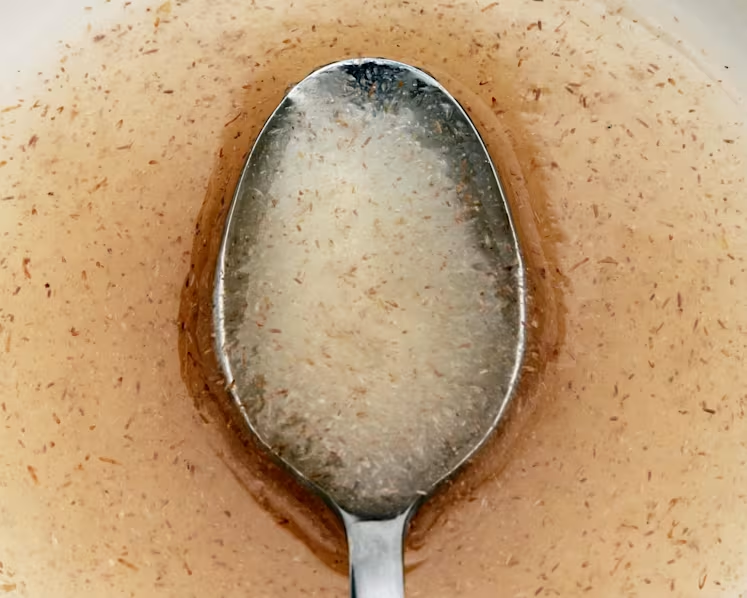
Psyllium has been shown to help with constipation and irritable bowel syndrome, said Dr William D Chey, chief of the gastroenterology division at Michigan Medicine. When it travels through the stomach and intestines, it absorbs water and forms a viscous, gel-like substance, which softens and bulks up stool and speeds its passage through the colon. This makes it easier to pass stool without straining.
Paradoxically, psyllium also helps with diarrhoea, another common symptom of IBS, by absorbing fluid in the gut, said Kate Scarlata, a dietitian in Boston. Whether you're dealing with constipation or diarrhoea, psyllium can help regulate bowel movements by balancing the water content in the stool.
It can lower cholesterol and blood sugar levels
Research suggests that psyllium can lead to small reductions in cholesterol and blood sugar levels, said Penny Kris-Etherton, a professor emeritus of nutrition sciences at Penn State. The fibre in psyllium binds to bile acids, which are made from cholesterol, in the intestines, increasing their excretion and helping to lower bad cholesterol in the blood, Scarlata said. Psyllium can also slow the digestion of carbohydrates, causing more gradual absorption of glucose into the bloodstream.
Those effects may help people with high cholesterol or with Type 2 diabetes or prediabetes, Dr Kris-Etherton said. However, she added, you'd get even more benefits from eating plenty of fibre-rich foods like whole grains, legumes, nuts, seeds, fruits and vegetables. Psyllium is a supplement, not a replacement for a fibre-rich diet.
Be wary of weight-loss claims
Because psyllium expands in the gut and slows the digestion of carbohydrates, it may help you feel full for an hour or two after you take it, said Julia Lloyd, a dietitian at Mass General Brigham. But research suggests that does not generally translate to weight loss, she added. Feeling full temporarily is not the same as sustained weight loss, and relying on psyllium alone without dietary changes is unlikely to produce meaningful results.
Who should consider psyllium?
Psyllium may be helpful for people who struggle to get enough fibre from food, those with occasional constipation, or those advised by a healthcare professional to lower cholesterol or manage blood sugar. It can also be useful for people with IBS, under medical guidance. However, it's not necessary for everyone. If you already eat a fibre-rich diet, you may not need a supplement.
What to know before you start
Start with a small dose and increase gradually to avoid bloating and gas. Drink plenty of water when taking psyllium, as it absorbs water and can cause dehydration or choking if taken dry. Avoid taking psyllium at the same time as certain medications, as it can interfere with absorption. If you have a medical condition or are taking medication, consult a healthcare professional before starting. Psyllium is generally safe for most people, but it's not a magic bullet. It works best as part of a balanced diet and healthy lifestyle.
The bottom line
Psyllium husk can help with digestion, cholesterol and blood sugar, but it's not a cure-all. It may support weight management by increasing fullness, but it won't cause weight loss on its own. If you're considering psyllium, start slowly, drink enough water, and talk to a healthcare professional if you have any concerns. For most people, food sources of fibre should come first.
 Watch AD Unlock More
Advertisement


Advertisement


Advertisement


Advertisement